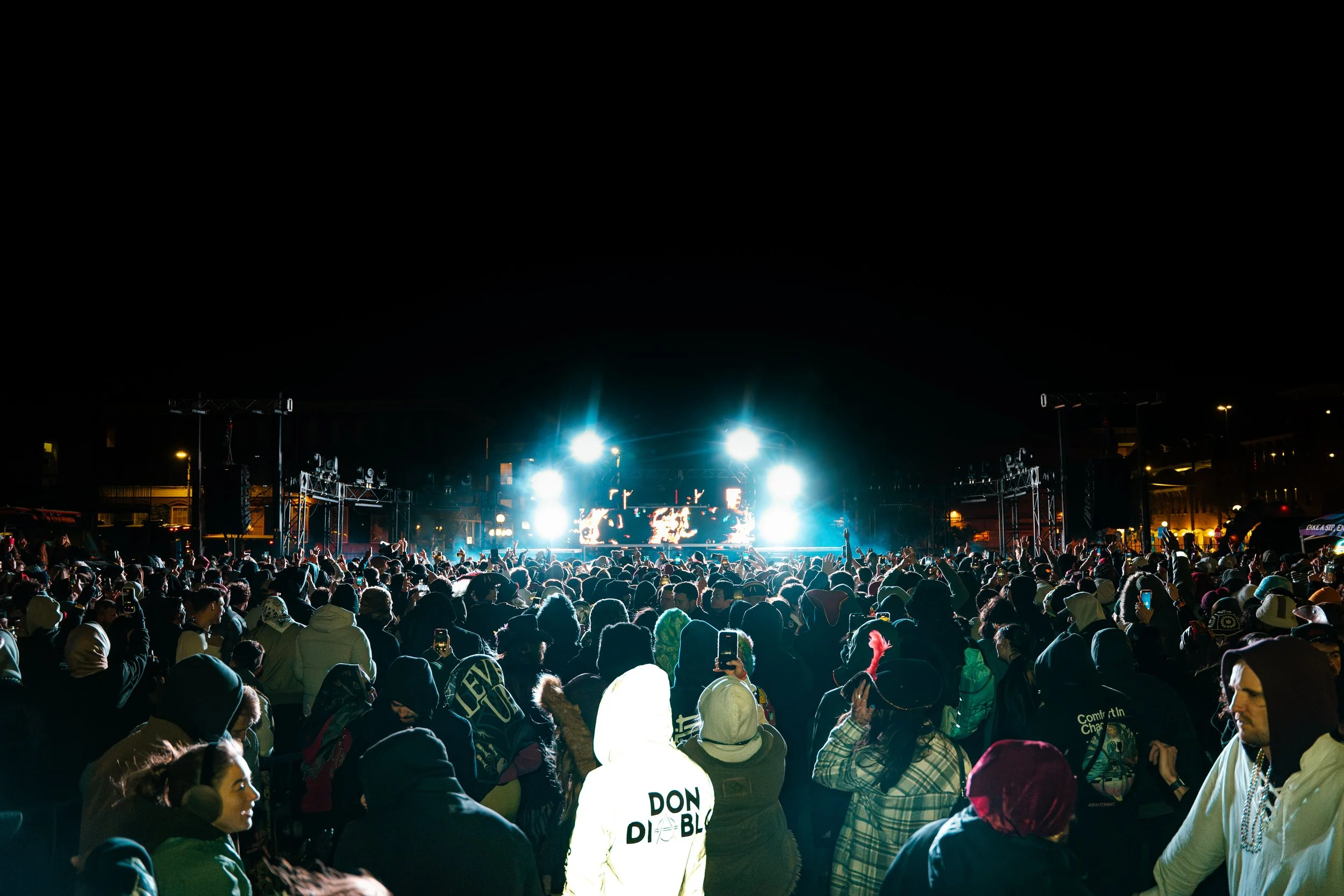
The Crowd Is The Headliner: Gasparilla Weekend’s Shipwrecked Festival 2026
In a festival landscape built on scale, spectacle, and content, Shipwrecked chose intention, care, and community. This weekend proved that when festivals are built with the crowd instead of imposed on it, something rare happens.
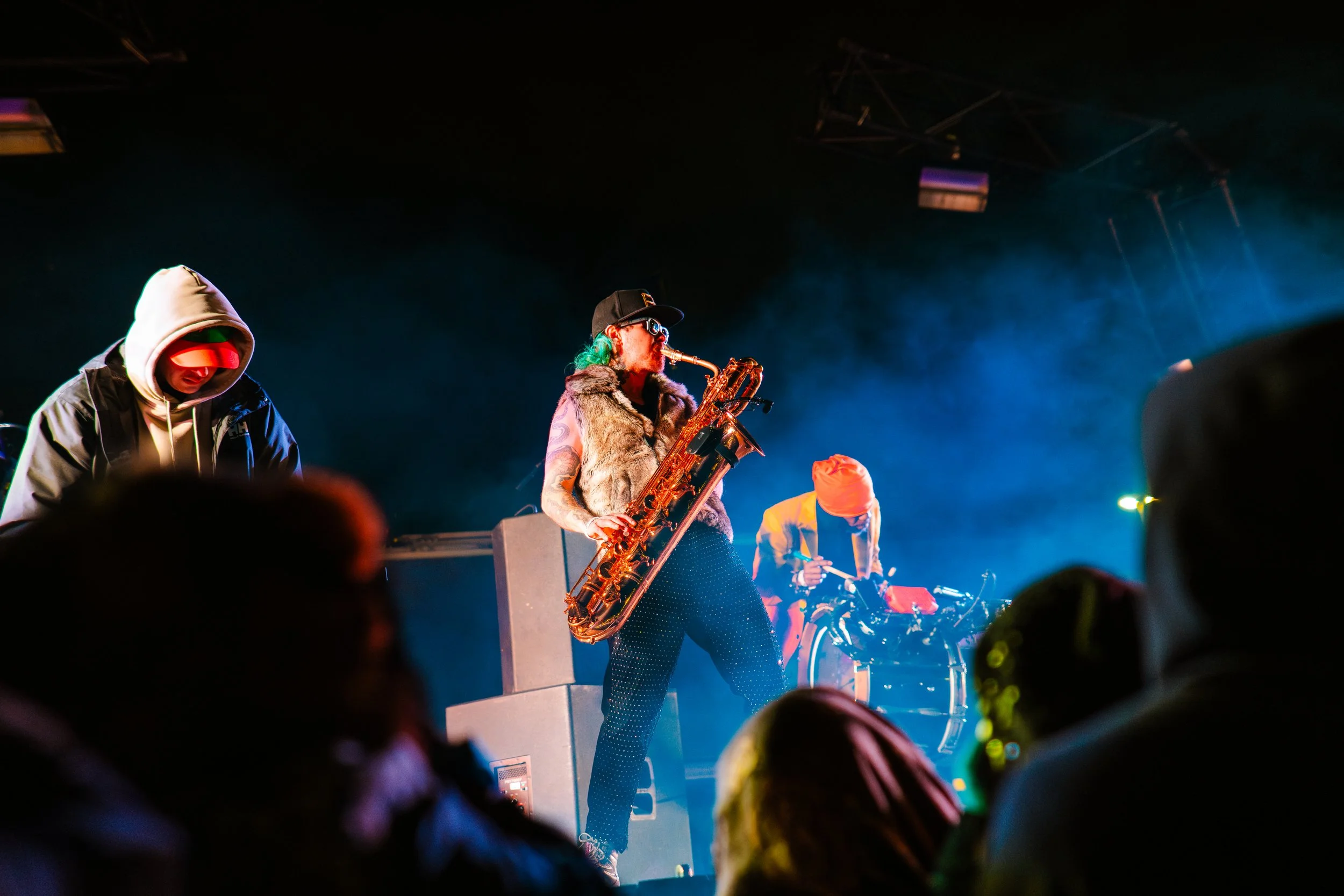
The night of Shipwrecked Festival started long before the first set. Vendors and artists arrived early, slowly shaping the grounds into something immersive and slightly off-kilter. Medical marijuana cards being checked next to silent DJ dance coves. Live graffiti taking form in real time, paint cutting through the wind as a light drizzle settled in. When the Florida cold front hit, people drifted inside to the second stage, warm and glowing. It felt less like a festival room and more like a nightclub tucked away for those who found it in the best way. Lasers and gobos traced the walls as bodies moved without urgency, half-lost in sound. Outside, the sun dipped low and the crowd poured in from the barricades, filling the space with anticipation before a single note was heard. From the very beginning, it was clear this was a festival built on atmosphere, not urgency.
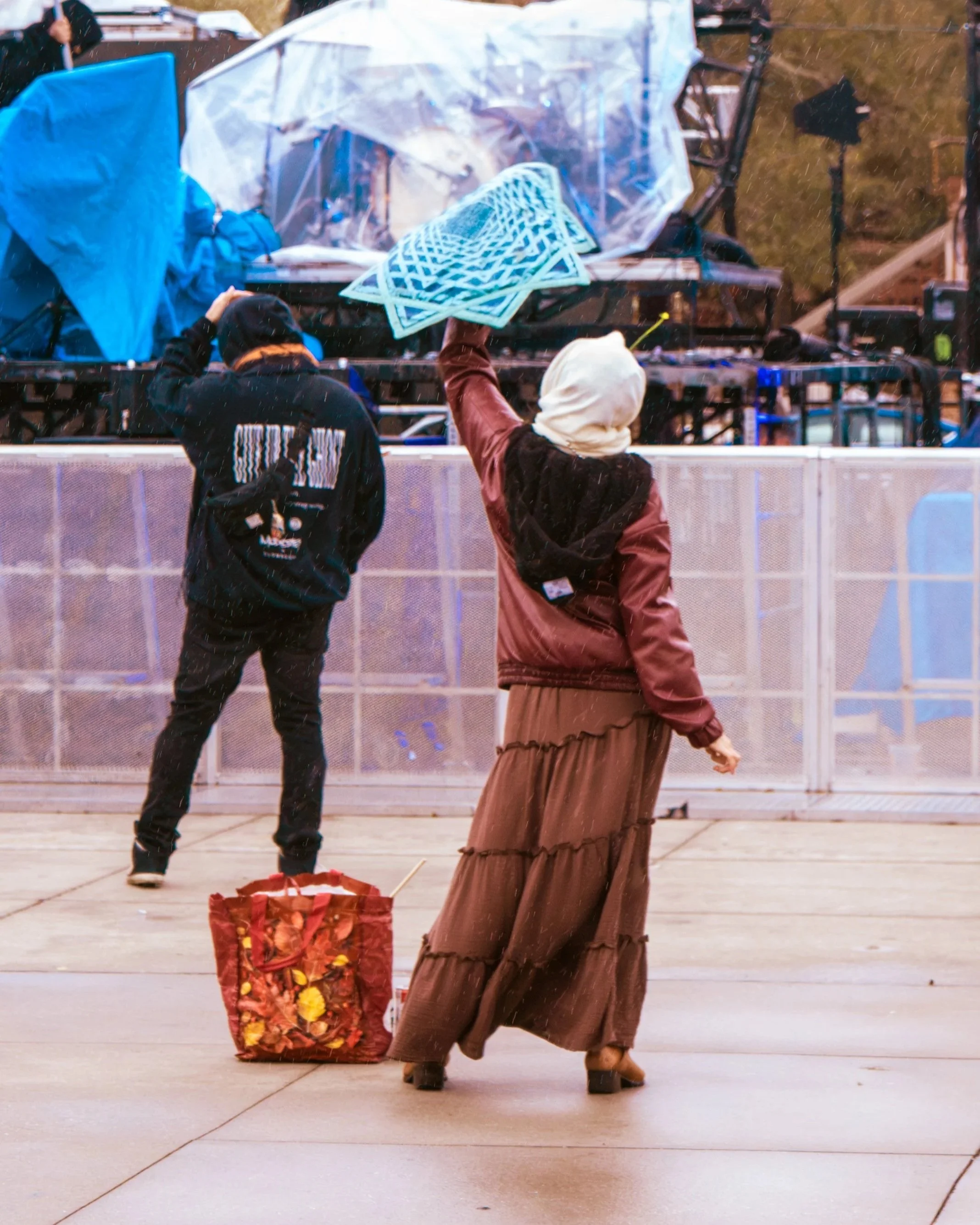
Photo by Haleigh Grose
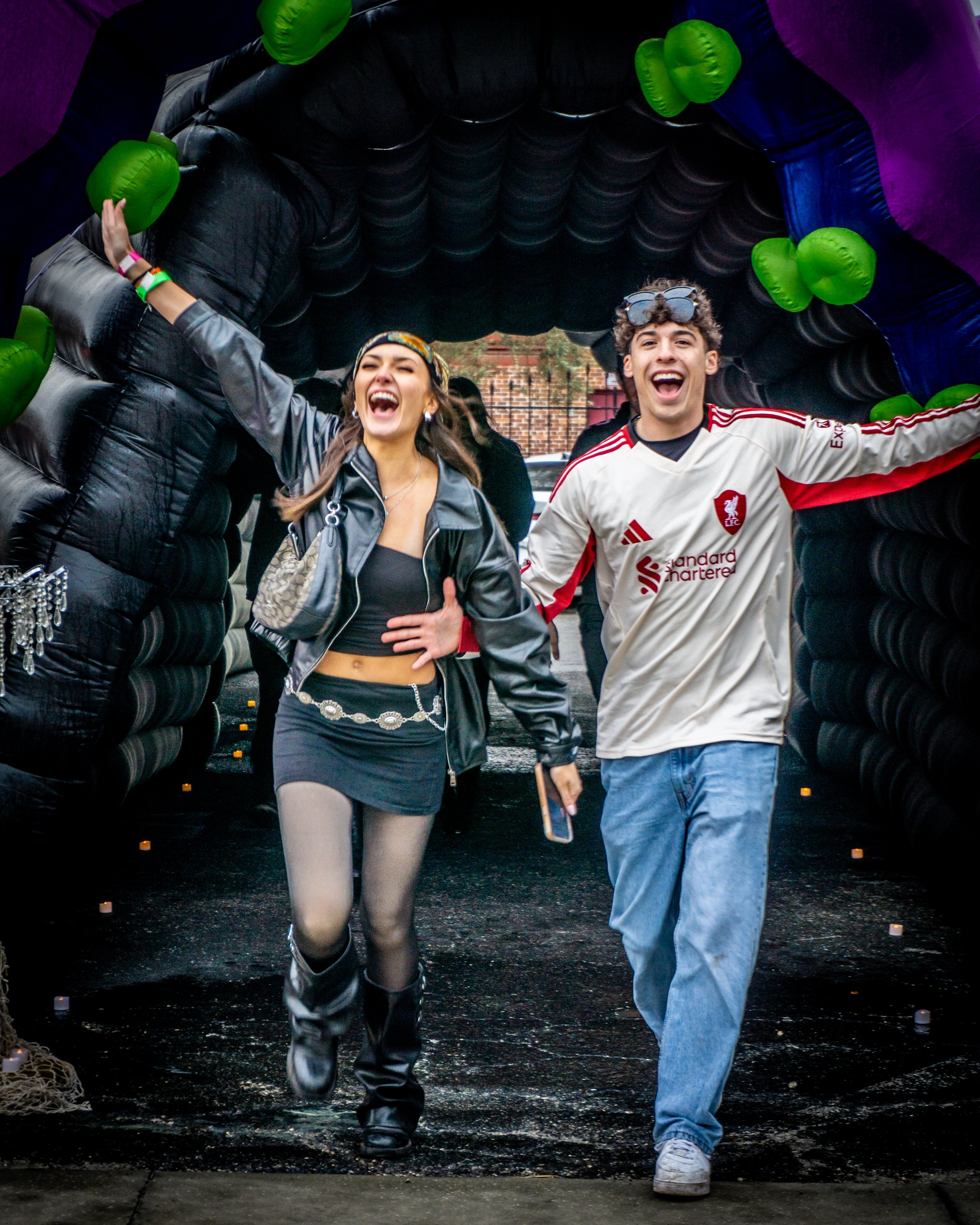
Photo by Rylea Anacleto
Shipwrecked takes place on Saturday evening during Tampa, Florida’s signature, century-old pirate festival named Gasparilla. The festival began on January 31st and celebrates the myth of pirate Jose Gaspar with beads, music, floats, and many different events happening over the course of the winter weekend. Shipwrecked is independently run by the production company Alliance Events, a premier event production company providing concert experiences and live shows statewide in Florida — and they’ve been putting on Shipwrecked Festival in Tampa, FL, for the 8th year now. There’s an intentionality to the festival that feels increasingly rare: the scale never overwhelms, the pacing never rushes, and the layout feels designed for movement rather than management.
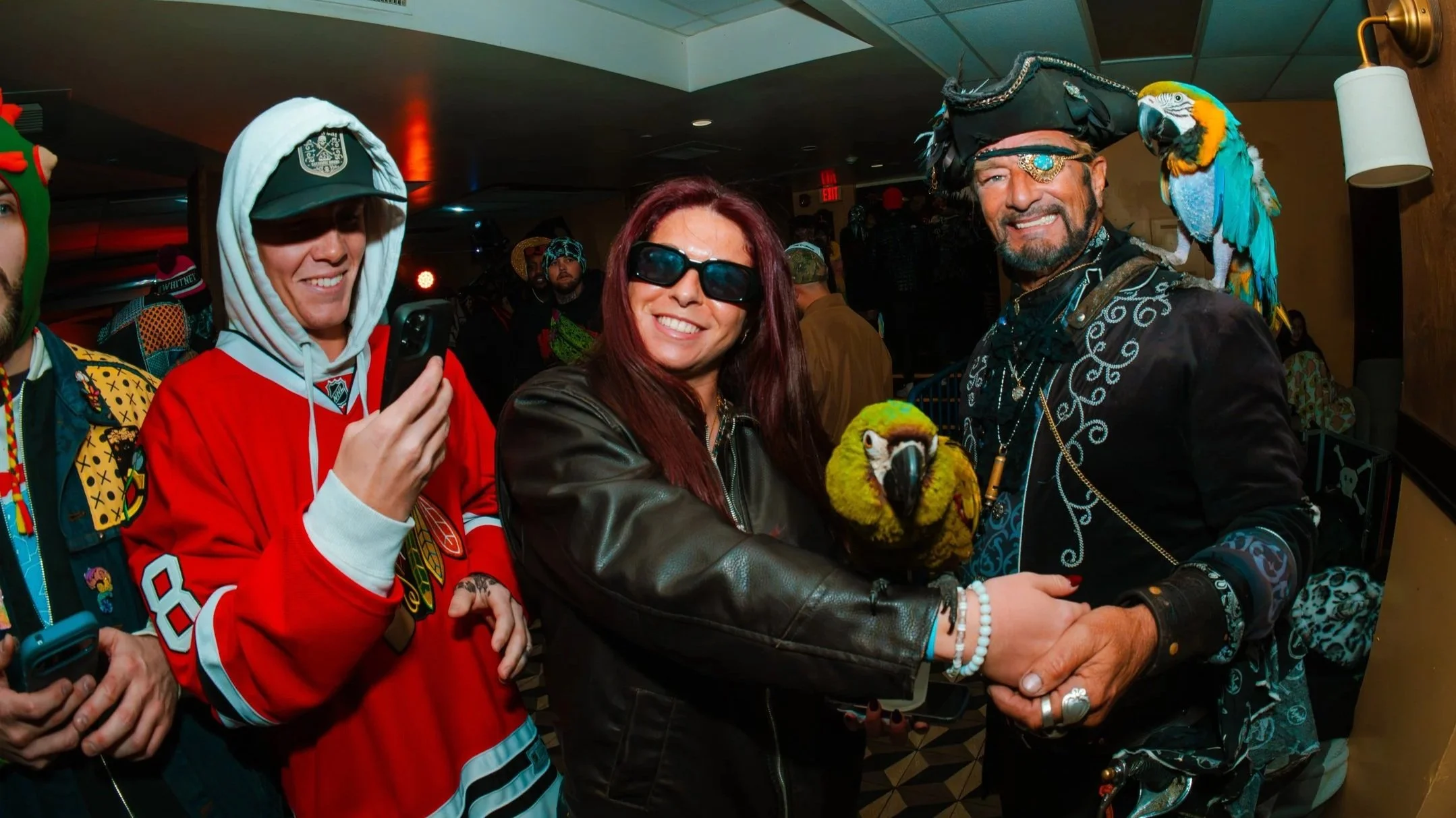
Photo by Hannah Williams
The outside area where the main stage was felt open — vendors, pirate actors, bathrooms, bars, and food stops surrounded the crowd and stage. Perhaps this wasn’t intentional; however, this created a space where there wasn’t pressure. You never had to be upset that you’re missing the headliner because you had to stand in line with your friend to go to the bathroom — you hardly had to move and never missed a moment. Nothing about Shipwrecked feels imposed. Instead, it feels built with the people who show up. That sense of ease carried through every corner of the festival grounds.
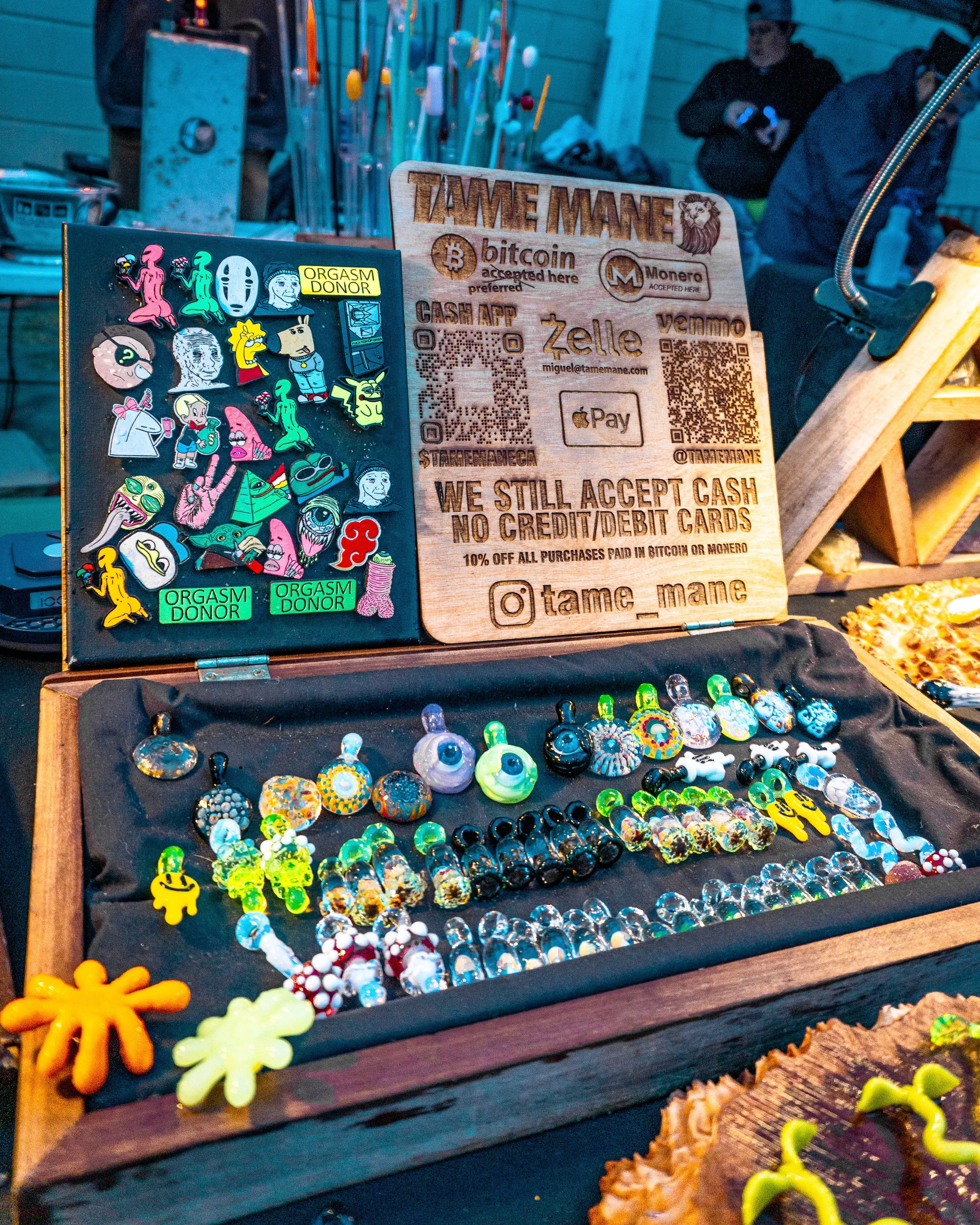
Photo by Rylea Anacleto
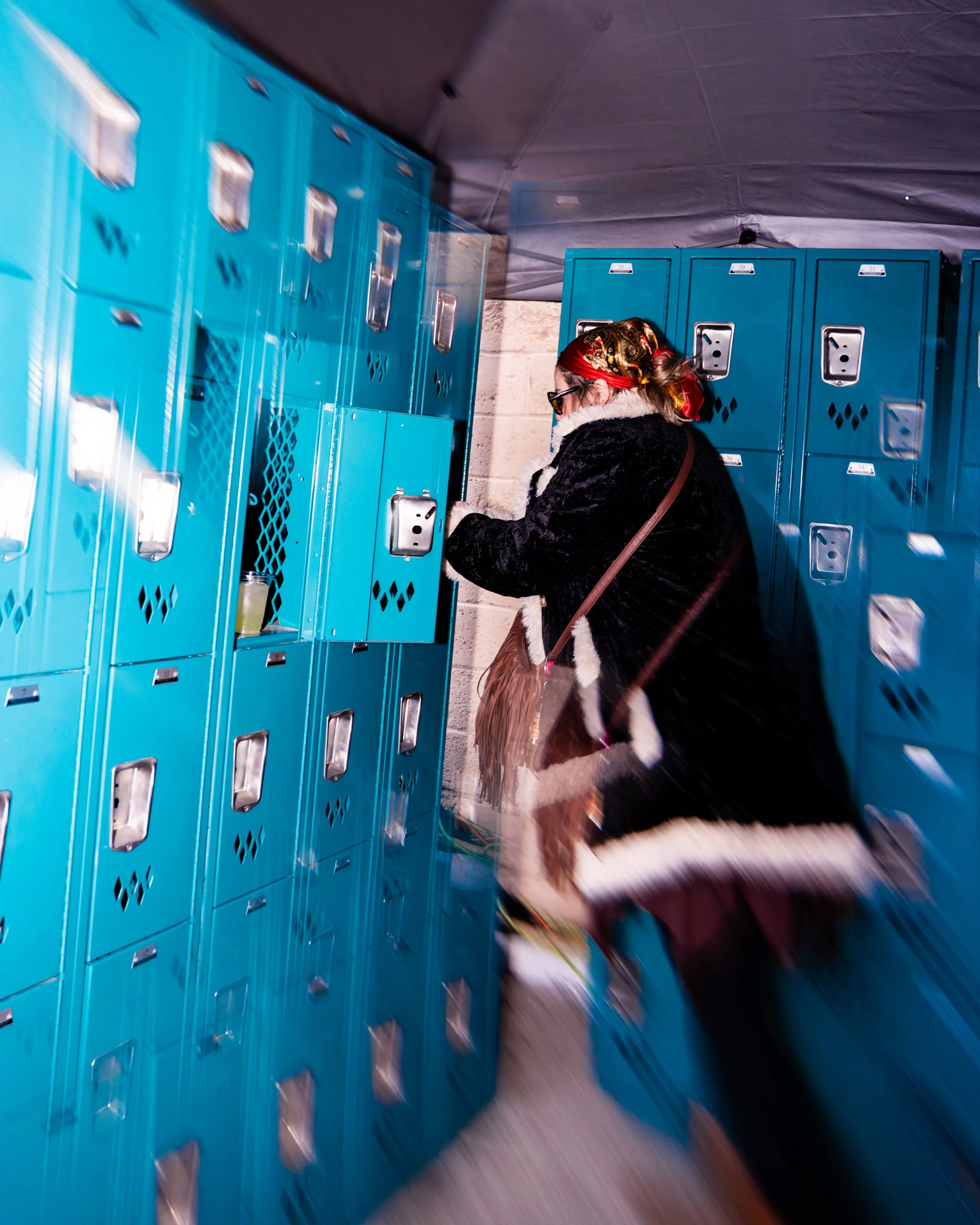
Photo by Mily (Emily) Ward

Photo by Mily (Emily) Ward
That independence creates a freedom that corporate festivals simply don’t have. There’s no pressure to maximize spectacle at the expense of connection, no need to chase viral moments or cater to influencer optics. The vibe isn’t manufactured; it’s cultivated. Shipwrecked prioritizes how the crowd feels over how the festival looks, and that distinction changes everything. People aren’t just attending; they’re participating. The festival decor was still vibrant and eclectic; however, the attendees are trusted to help shape the energy of the weekend, and that trust is returned tenfold. The result is a space that feels communal instead of transactional, one where joy, care, and presence come naturally because they’re designed into the foundation. This trust becomes the backbone of the entire experience.
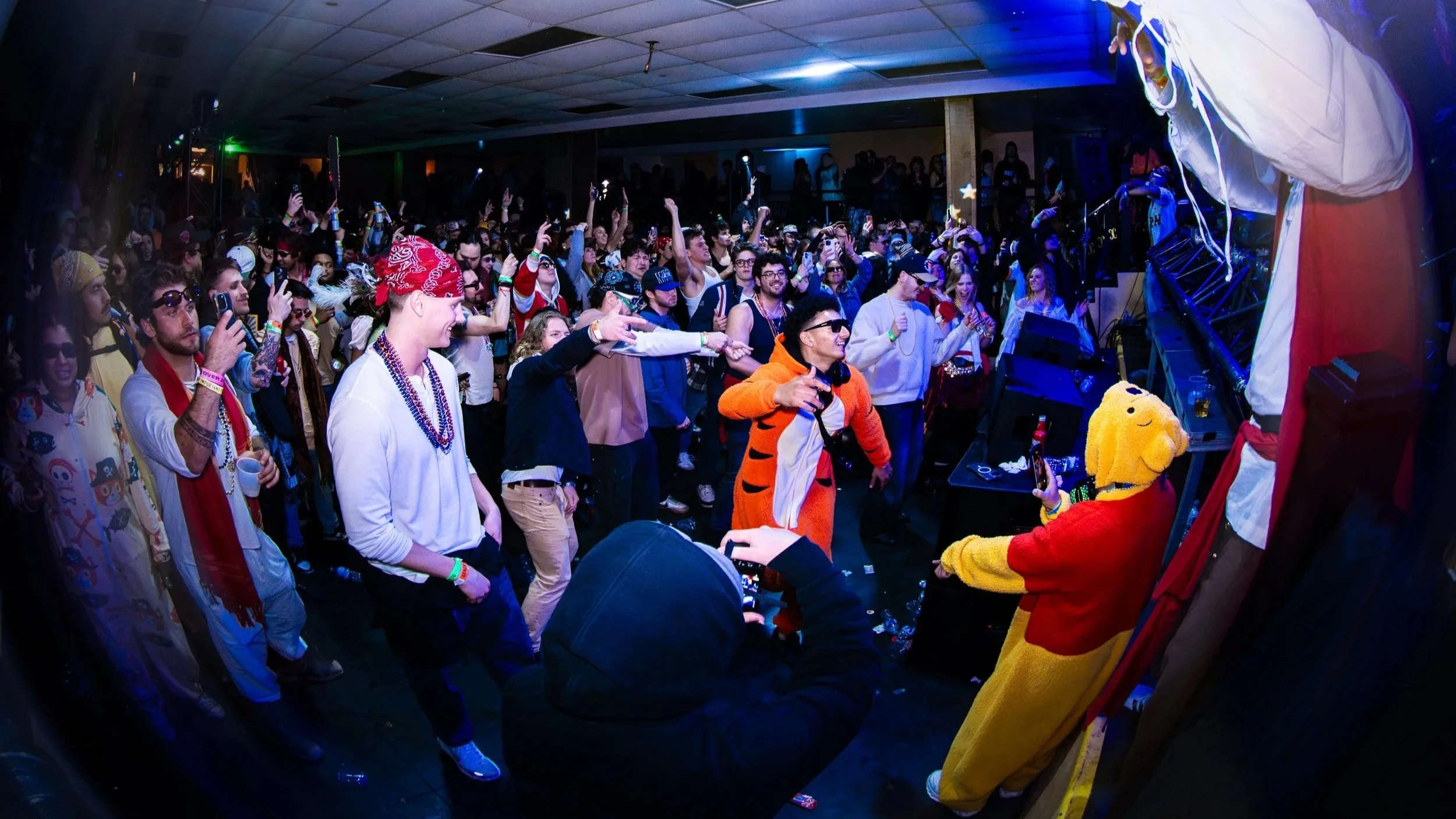
photo by Mily (Emily) Ward
At Shipwrecked, the crowd wasn’t just attending the festival; it was the festival. This is a hometown festival to many, and they showed up as such, between the costumes to the endless vibes, rain or shine. The crowd moved in beautiful ways, so unique yet seemingly in unison. This wasn’t a festival you attended to be seen; phones stayed down — unless to capture moments with friends and their communities — and hands, of course, stayed up. People blending in ways people who have never PLUR’d would not understand. It wasn’t just about the banging lineup; it was about hyping the DJs up as well as each other even harder. Veteran pirates, newcomers, eyeliner, and even live parrots galore. What truly stood out most was the lack of ego. People weren’t there to be “seen.” They were there for the music and the incredible vibes. Just pure presence, and because of that, the crowd was an instrument. Drops hit harder because the crowd was excitedly anticipating them. The response and excitement of the crowd didn’t just match the music perfectly; it elevated it further. The DJs played with the crowd, not at them. That shared energy became the pulse of the weekend.
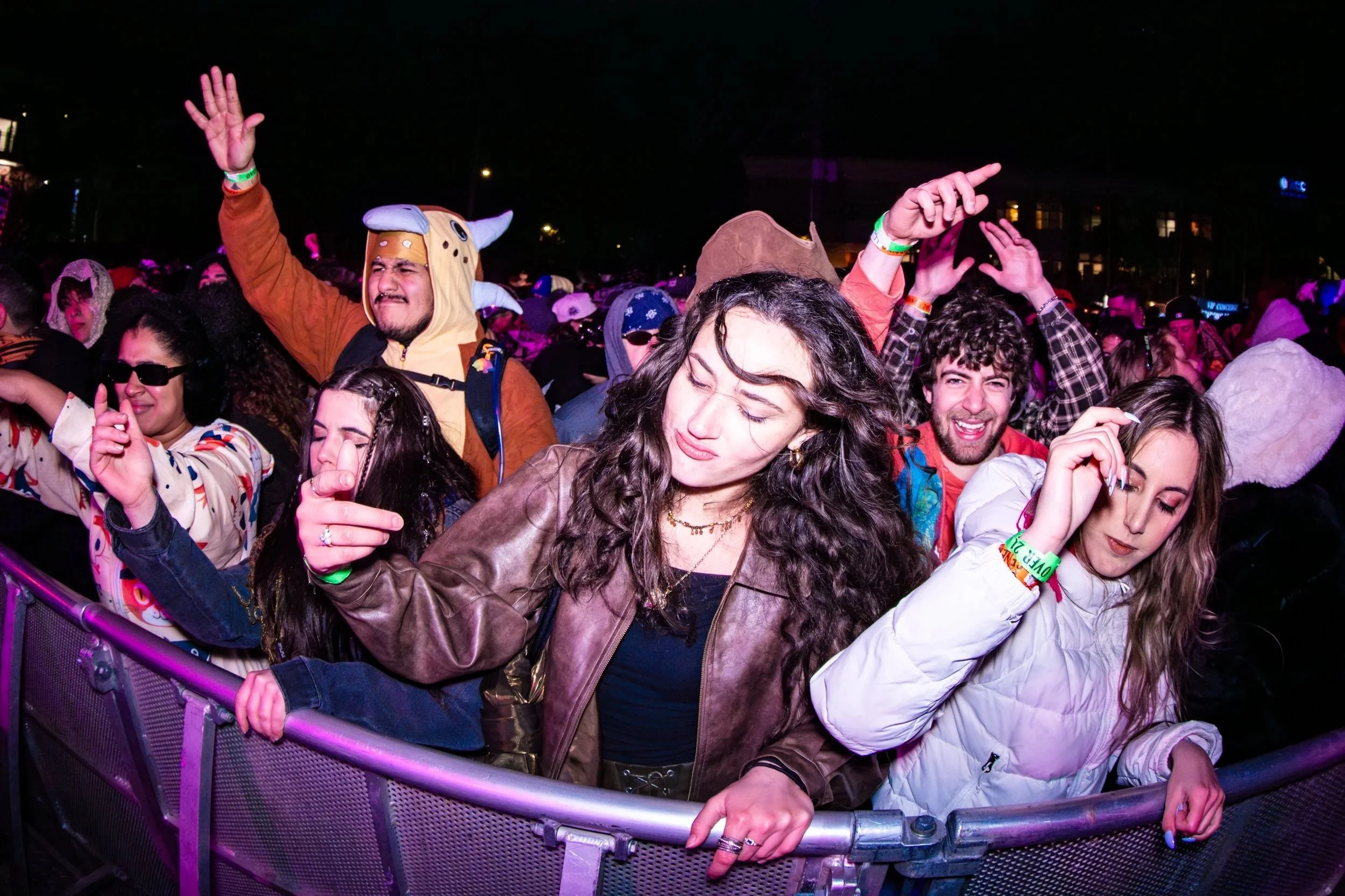
photo by Mily (Emily) Ward
Shipwrecked reclaimed PLUR as more than just a marketing campaign. Its presence can be found in even the smallest acts, the unspoken kind moments in the pit. Between a tap on the shoulder to make sure someone’s okay, sharing your rain poncho, to people making space without even asking, or dancing with strangers. Respect wasn’t something that needed to be discussed or announced; it was practiced. In this day and age, PLUR’s meaning is getting lost in logos and branding, so it was truly a refreshing atmosphere. Shipwrecked truly leaned into the true meaning of PLUR. This festival truly proved that when you are in the presence of a community that not only says “PLUR” but lives by it, you don’t have to protect your space because the community already is. It was felt in motion, not messaging.
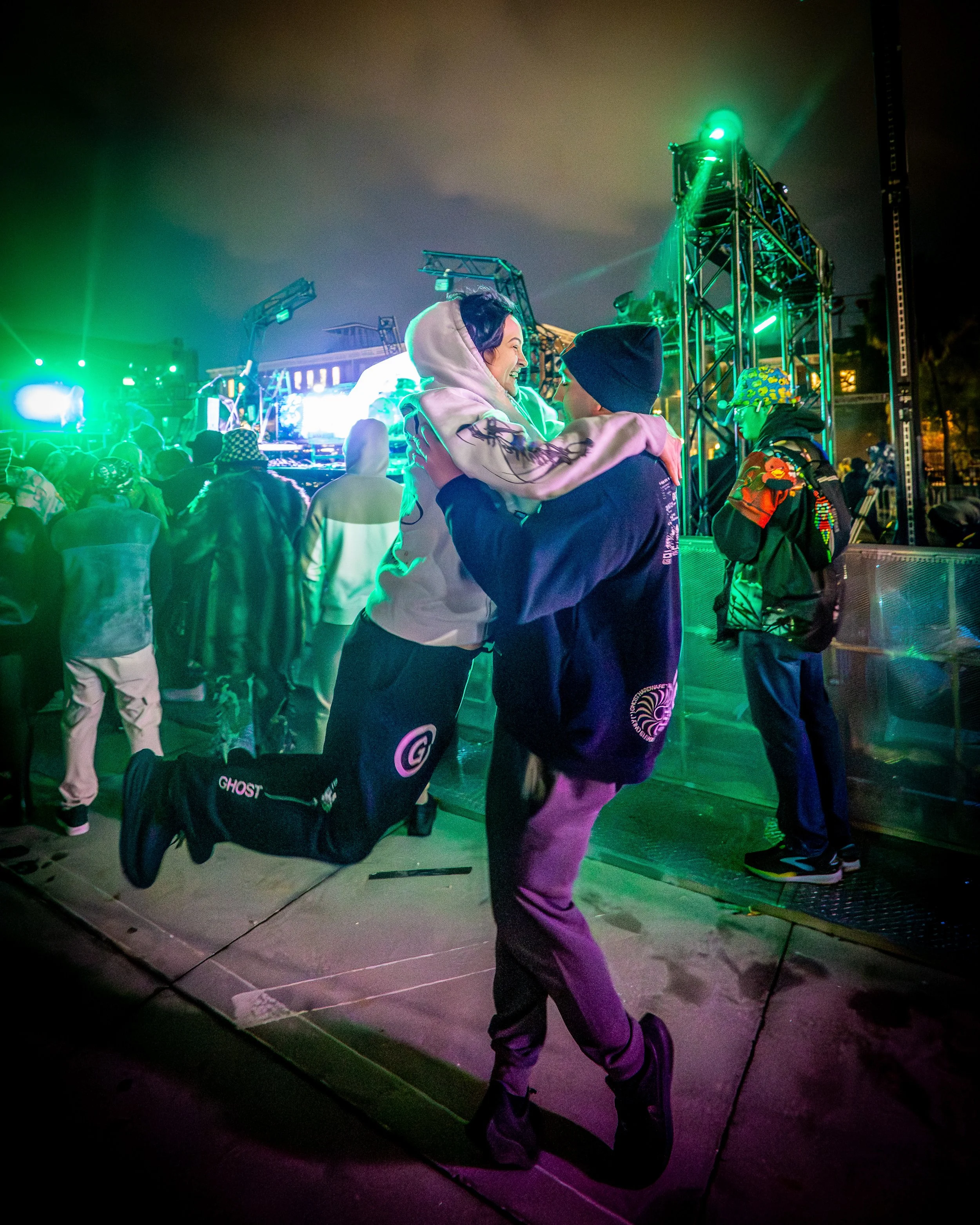
Photo by Rylea Anacleto
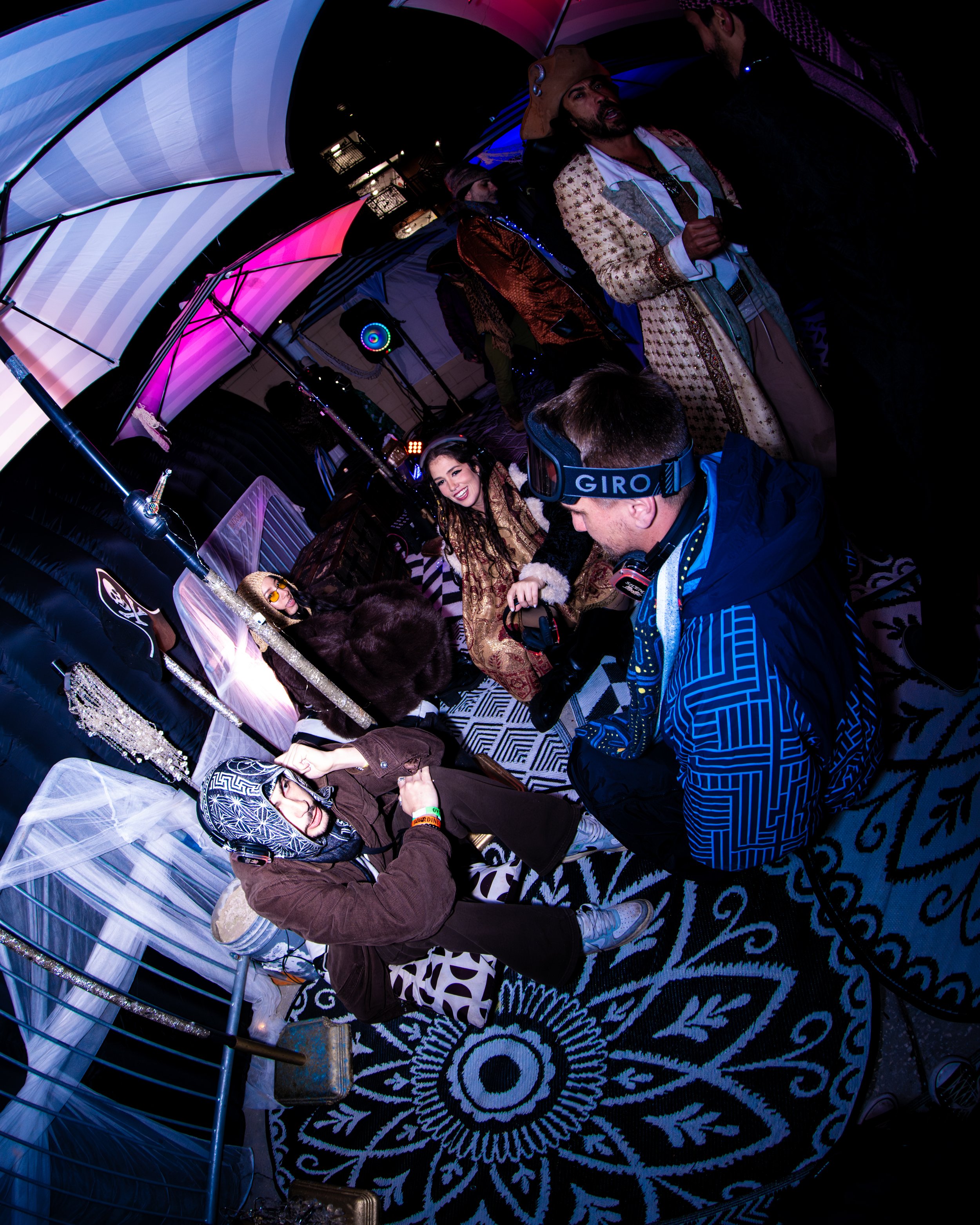
Photo by Mily (Emily) Ward
Photo by Mily (Emily) Ward
It’s impossible to talk about why Shipwrecked feels so meaningful without acknowledging the broader festival landscape it exists within. Massive, corporate-run festivals have become the dominant model, and with that scale has come a noticeable shift in priorities. Over the past year alone, those cracks have become impossible to ignore, with water stations running out mid-festival, ticket sales being prioritized over attendee safety, and growing concerns about overcrowding. One avid festival-goer we spoke to last December put it plainly: “It’s getting so packed and unsafe I’m thinking of not attending EDM festivals anymore.” Beyond safety, the experience itself has changed. It’s increasingly difficult to fully enjoy a set without a wall of phones held overhead, each moment filtered through a screen. DJs are packaged as products, fans reduced to consumers, and the music becomes something to document rather than truly inhabit. This contrast makes Shipwrecked’s approach feel even more intentional.
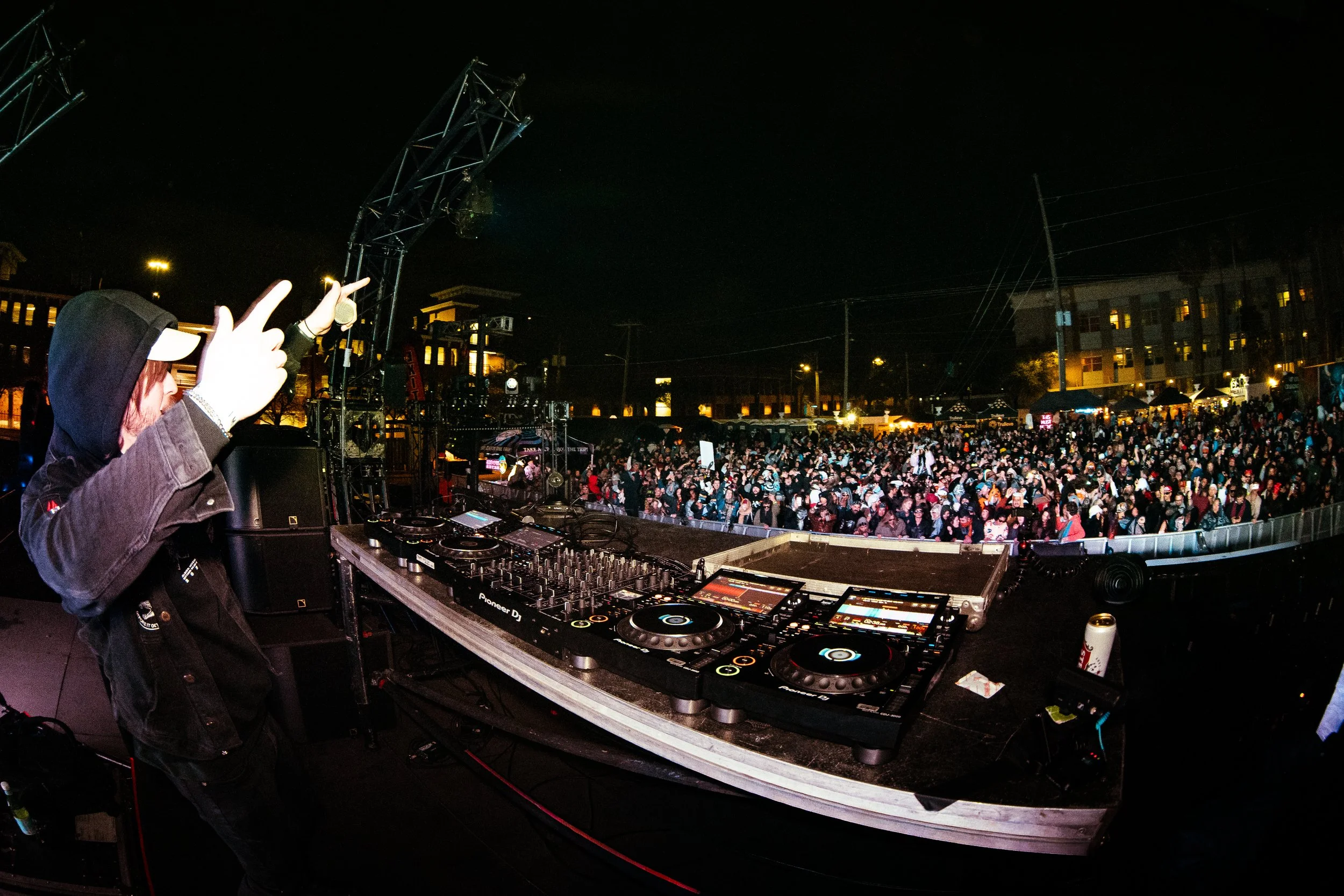
Photo by Mily (Emily) Ward
Influencer culture has only accelerated that shift. Phones stay up, moments are curated in real time, and the focus drifts from collective energy to individual optics. In these environments, connection can feel secondary and something that happens accidentally, if at all. Overcrowding, safety concerns, and a growing disconnect between organizers and attendees often become the byproduct of scale chasing profit faster than responsibility. This isn’t a critique of any single festival, but of a system that rewards size over care. When events grow faster than their ability to protect, listen, and respond to the people inside them, something essential gets lost. Shipwrecked feels like a refusal of that model and proof that festivals don’t have to sacrifice safety, intention, or humanity in order to succeed. It offers a living alternative rather than a theoretical one.

Photo by Mily (Emily) Ward
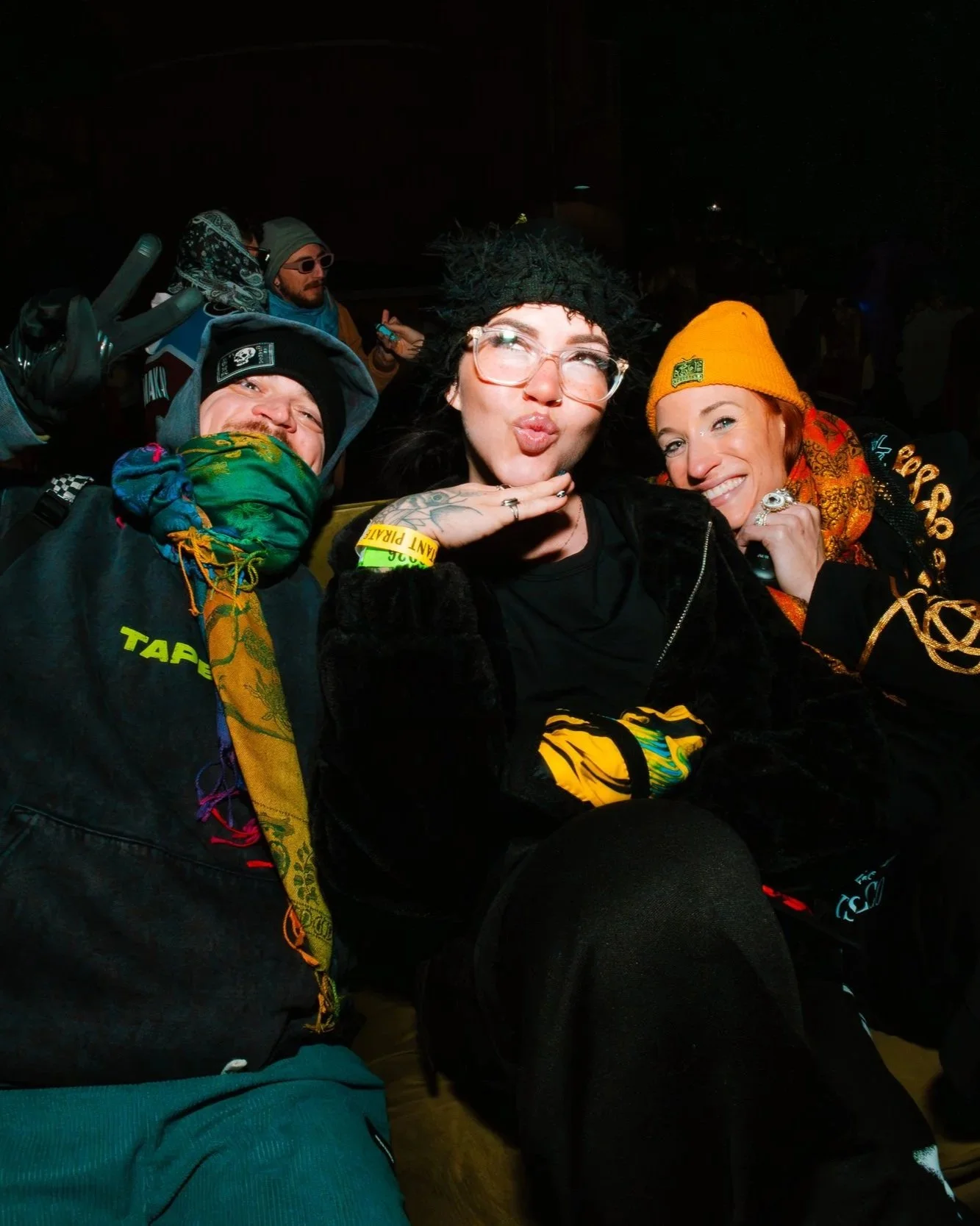
Photo by Hannah Williams
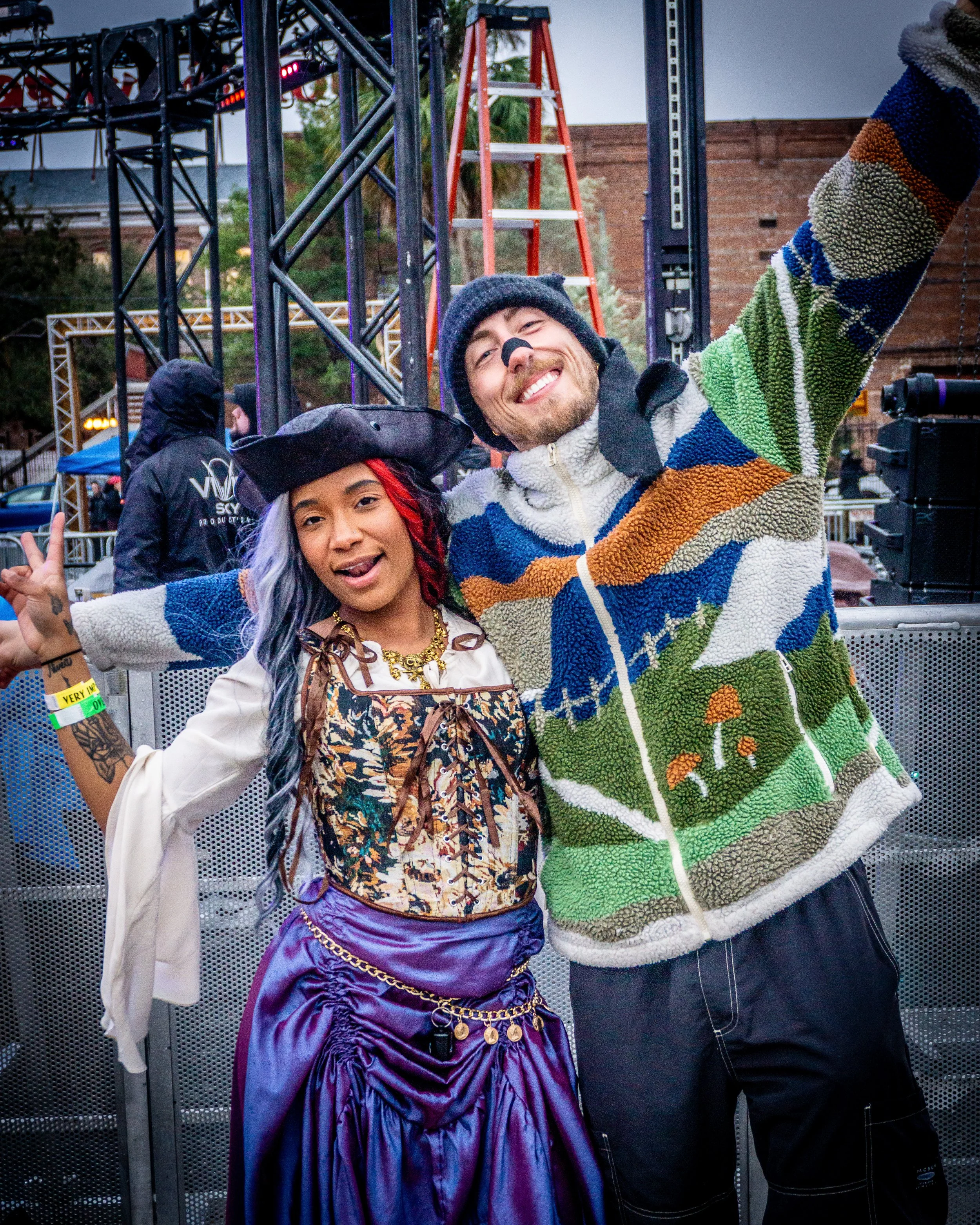
photo by Rylea Anacleto
One of the most striking things about Shipwrecked is how differently the artists exist within the space. DJs aren’t untouchable figures or locked into pre-packaged performances. Instead, they feel like participants and feed off the room, respond in real time, and shape their sets based on the energy unfolding in front of them. You can see it in the way transitions stretch or snap depending on the crowd’s movement, in drops that feel earned rather than expected. The decks aren’t branded billboards; they’re tools. The focus stays on the exchange happening between artist and audience, not on maintaining a polished image. This creates a feedback loop that keeps the energy alive.
That dynamic only works because the crowd feels empowered. When people aren’t reduced to spectators or metrics, they show up more fully, and the DJs meet them there. Mutual respect replaces performance hierarchy. The result is something alive and unpredictable, a shared creation rather than a one-way presentation. At Shipwrecked, when DJs stop being products, the music breathes differently. And when the crowd is trusted, the entire festival becomes a conversation, and one that people leave wanting to return to, not just remember. It’s a relationship rather than a transaction.
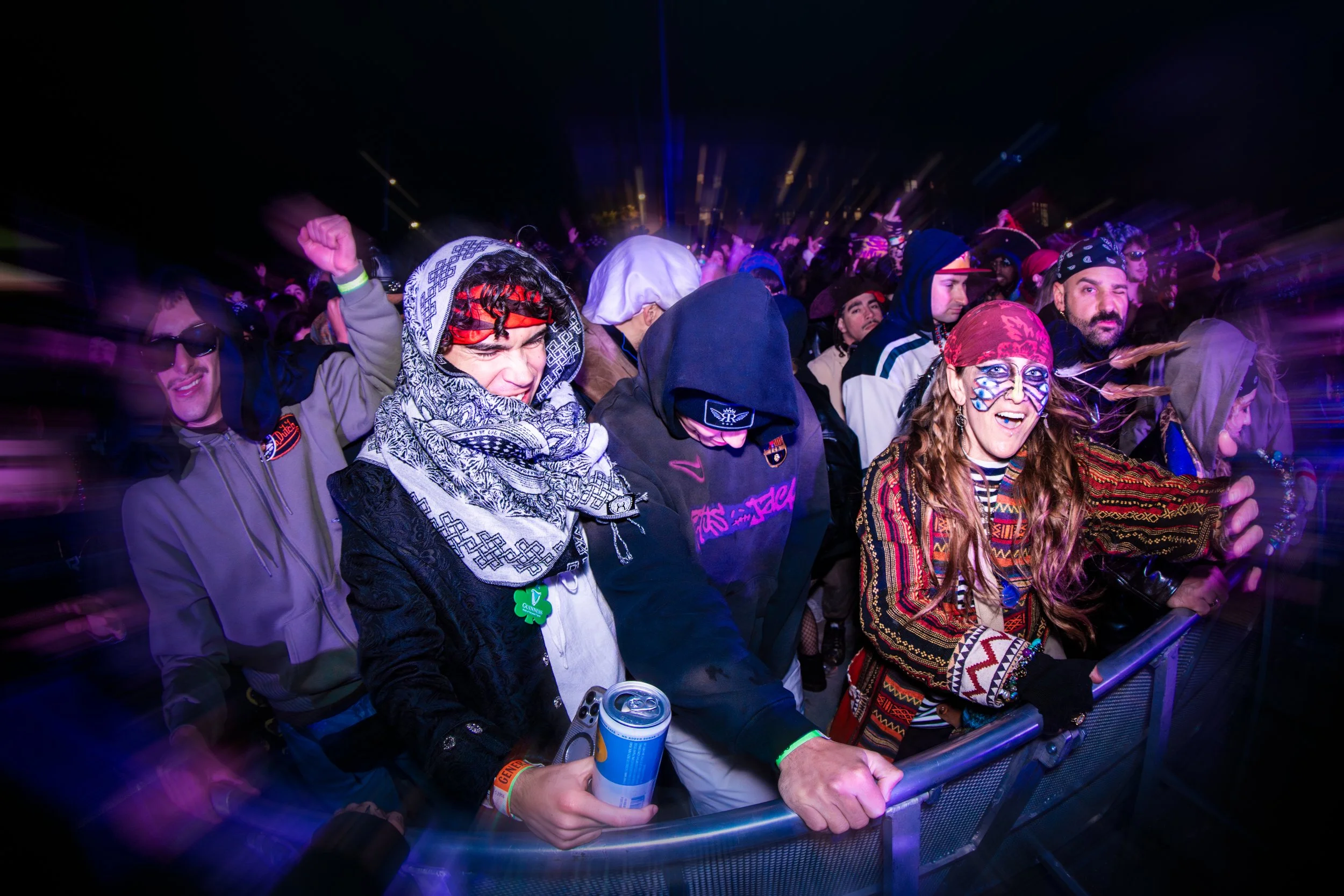
Photo by Mily (Emily) Ward
The community and intimacy created at Shipwrecked was one-of-a-kind. Every aspect of it was intentional. The spaces were designed to be all immersive; between the live spray paint artists and glass blowing, to the three separate DJ’d dome silent discos (ONE OF OUR VERY OWN HARD LAUNCH TEAM MEMBERS HAD A SET @sheissirpent) with headphones provided at the stand, fortune-telling pirates, tattoo artists, as well as masseuses.
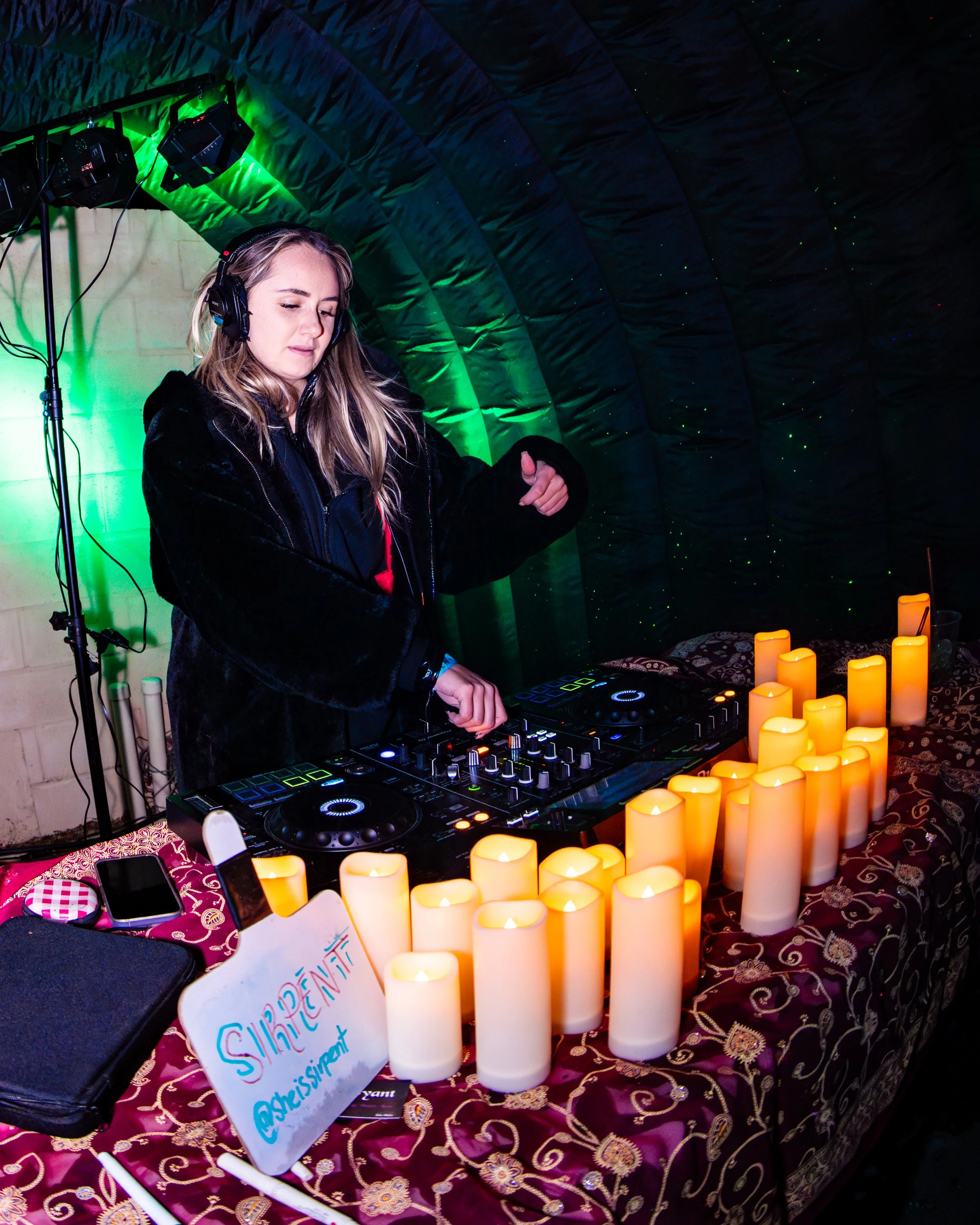
Photo by Mily (Emily) Ward
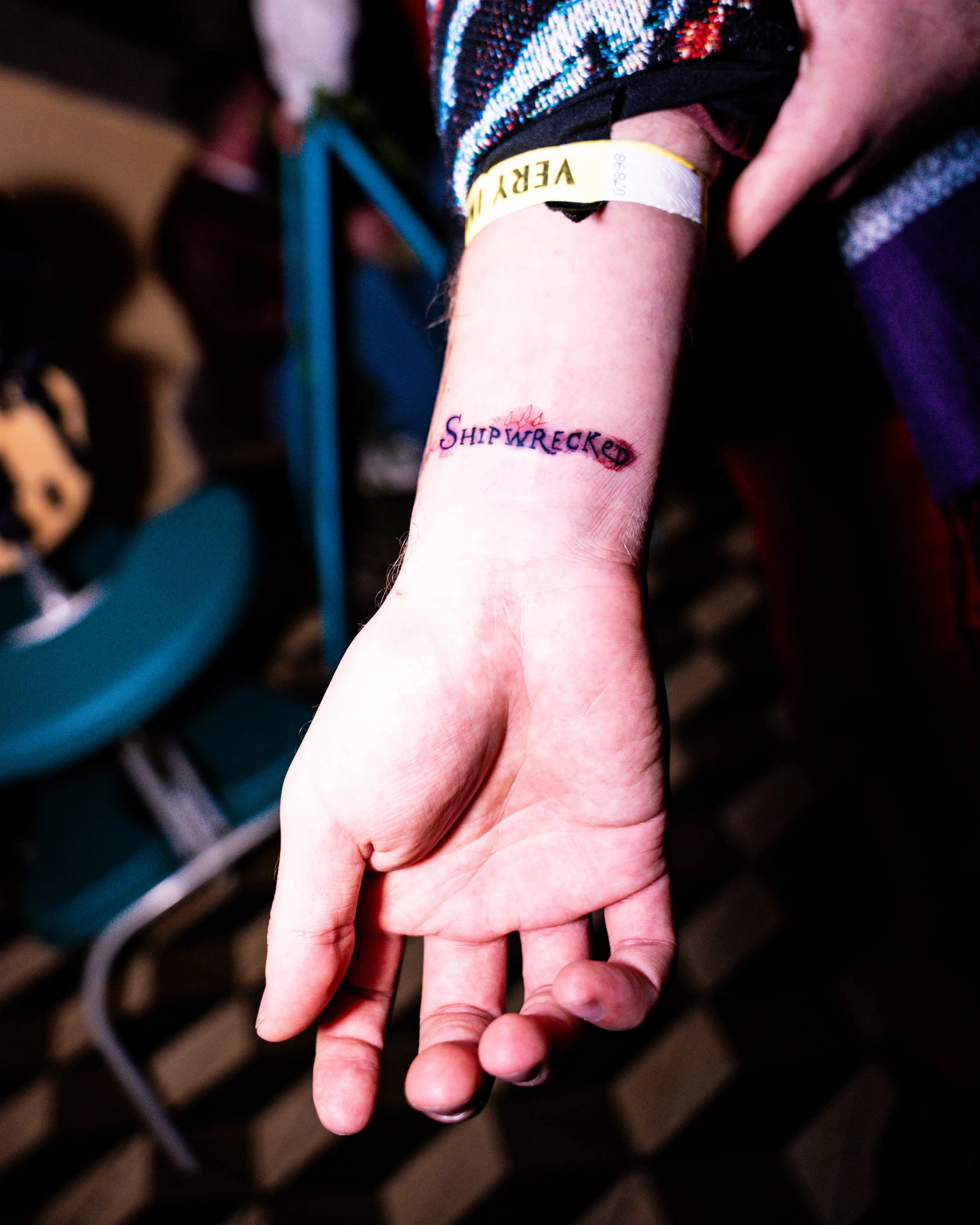
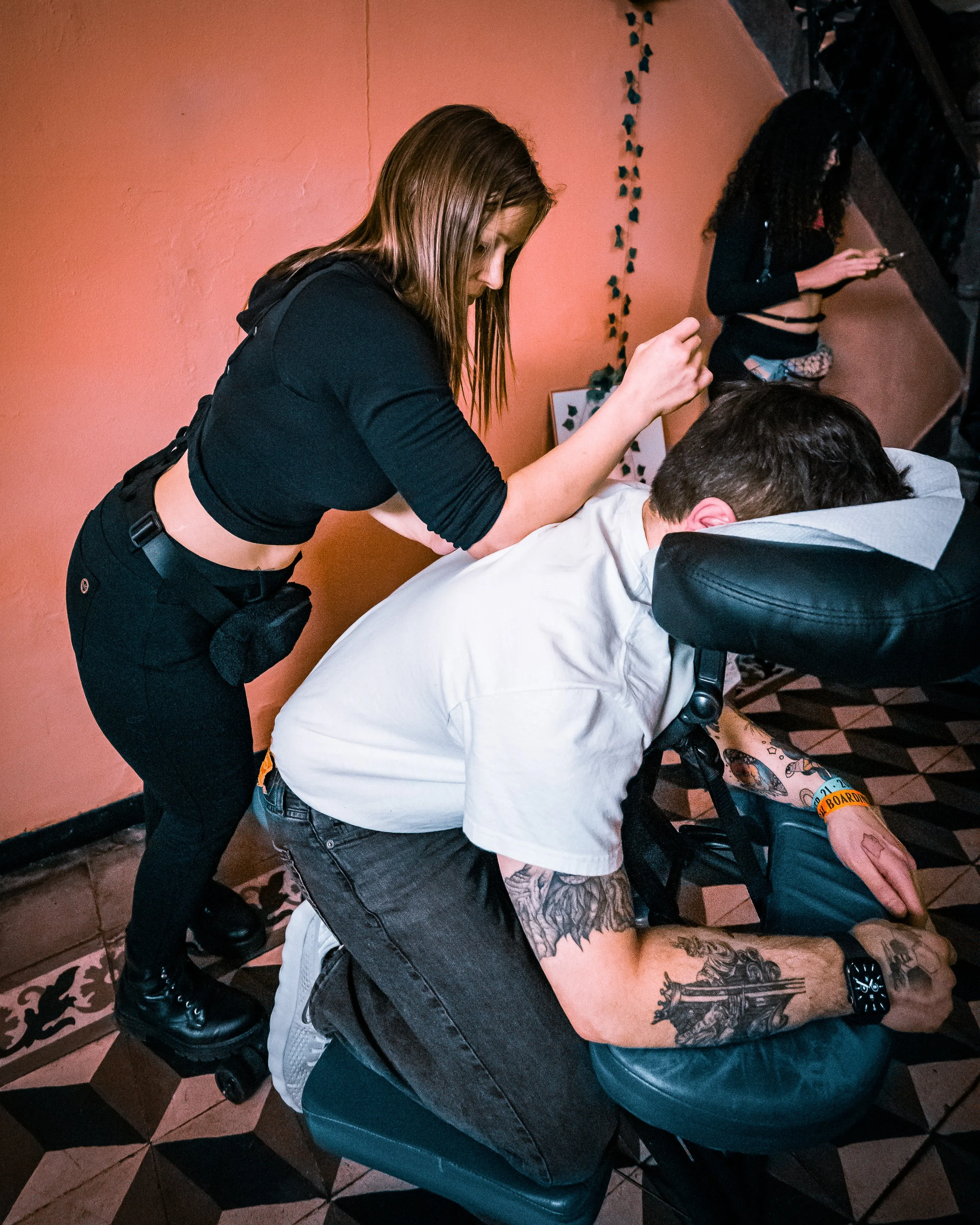
photo by Hannah Williams
Photo by Rylea Anacleto
Name a festival that you can side quest this hard. Smaller, intimate environments don’t kill the energy — they enhance it. Safety here meant more than just kind security workers (special shoutout to Luis and Barry); it lived in every attendee. In a society where we have to question the people, the place, and the exits around us, it was refreshing to be in a place where you could just be free and trust your environment and community. When trust is built within the community itself, the experience itself deepens. That trust became the festival’s quiet constant.
In a time of influencer-driven festivals, Shipwrecked distinguished itself by being refreshingly offline. People still captured photos they will later show their kids, generations to come of the “golden years,” and photographers as well as videographers documented crowds and artists. The difference was in the intentionality of it. Phones came out to document the true moments, not to fabricate a persona or feed into a trend. They resisted the urge to overextend and indulge in the clout-chasing, and instead fed into genuine experience and sincerity in community. It was built by its people. That balance made every moment feel earned.
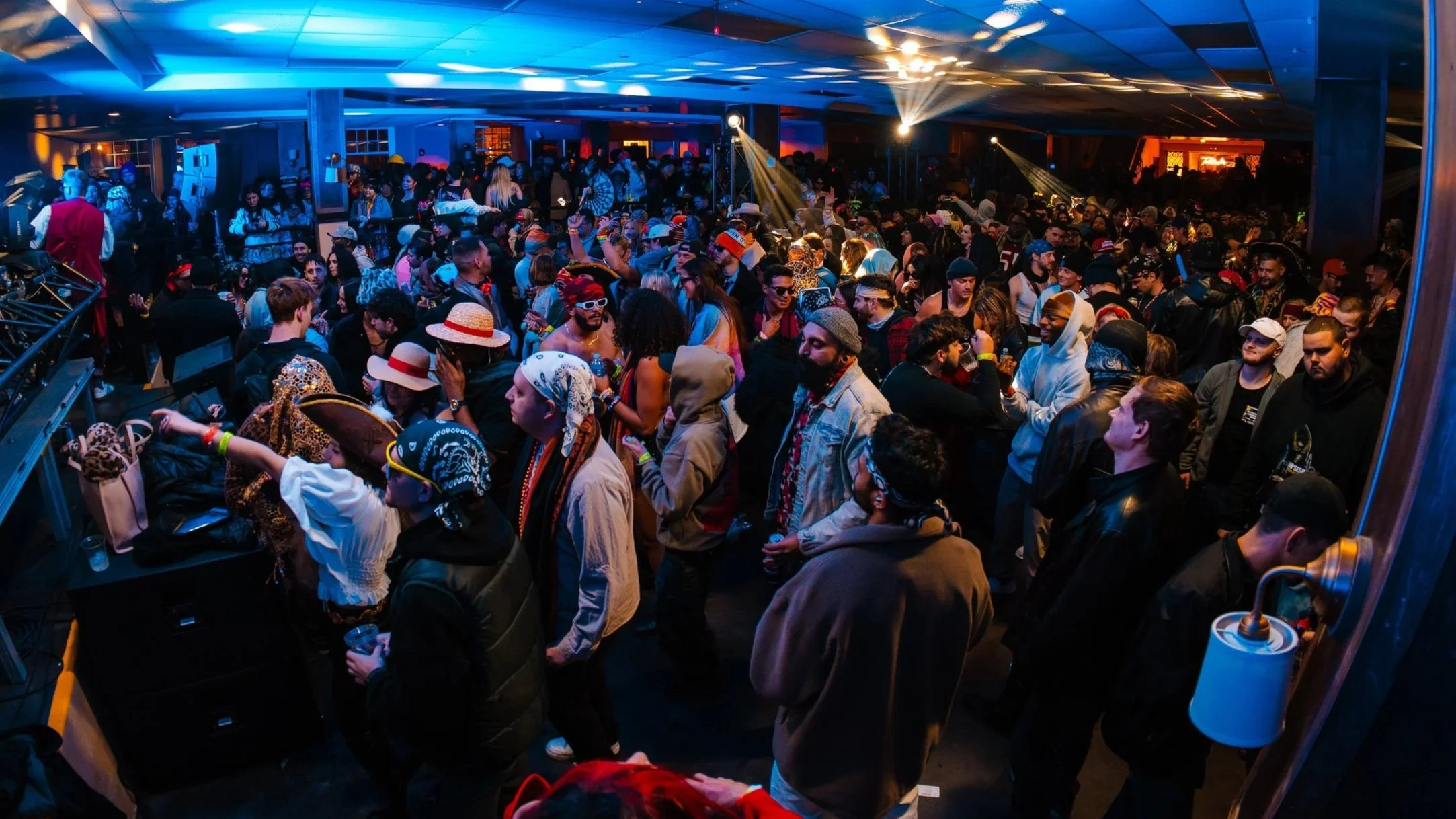
Photo by Hannah Williams
Shipwrecked works because it resists the urge to overextend. At a moment when festival culture feels oversaturated with branding and burnout, this one feels considered. There’s no pressure to see everything, no mad dash between stages — just room to exist inside the music and the people around it. Audiences are exhausted by spectacle, by experiences designed more for content than connection. Shipwrecked taps into something quieter and more grounded. Community over clout. Presence over production. Festivals like this aren’t small. They’re intentional. Built for the people who show up, not the ones watching later. And that intention is felt in every interaction.
By the end of the night, no single set stood out above the rest. What remained was the collective. Strangers dancing together inside the glow of both stages. Conversations that stretched longer than expected. Moments unfolding that couldn’t be scheduled, sponsored, or manufactured. Here, the crowd became the headliners. Shipwrecked wasn’t defined by who played, but by who stayed, who moved, who shared the space. When festivals remember who they’re for, the crowd always leads. Shipwrecked remembered — and the people carried it home with them.