The Green Room: Industry Unplugged — Who Controls the Concert Industry? The DOJ’s Battle With Live Nation Explained
Episode #1
Written by Celyse Ramirez, Emily (Mily) Ward, and Devon Sweetser | March 7, 2026
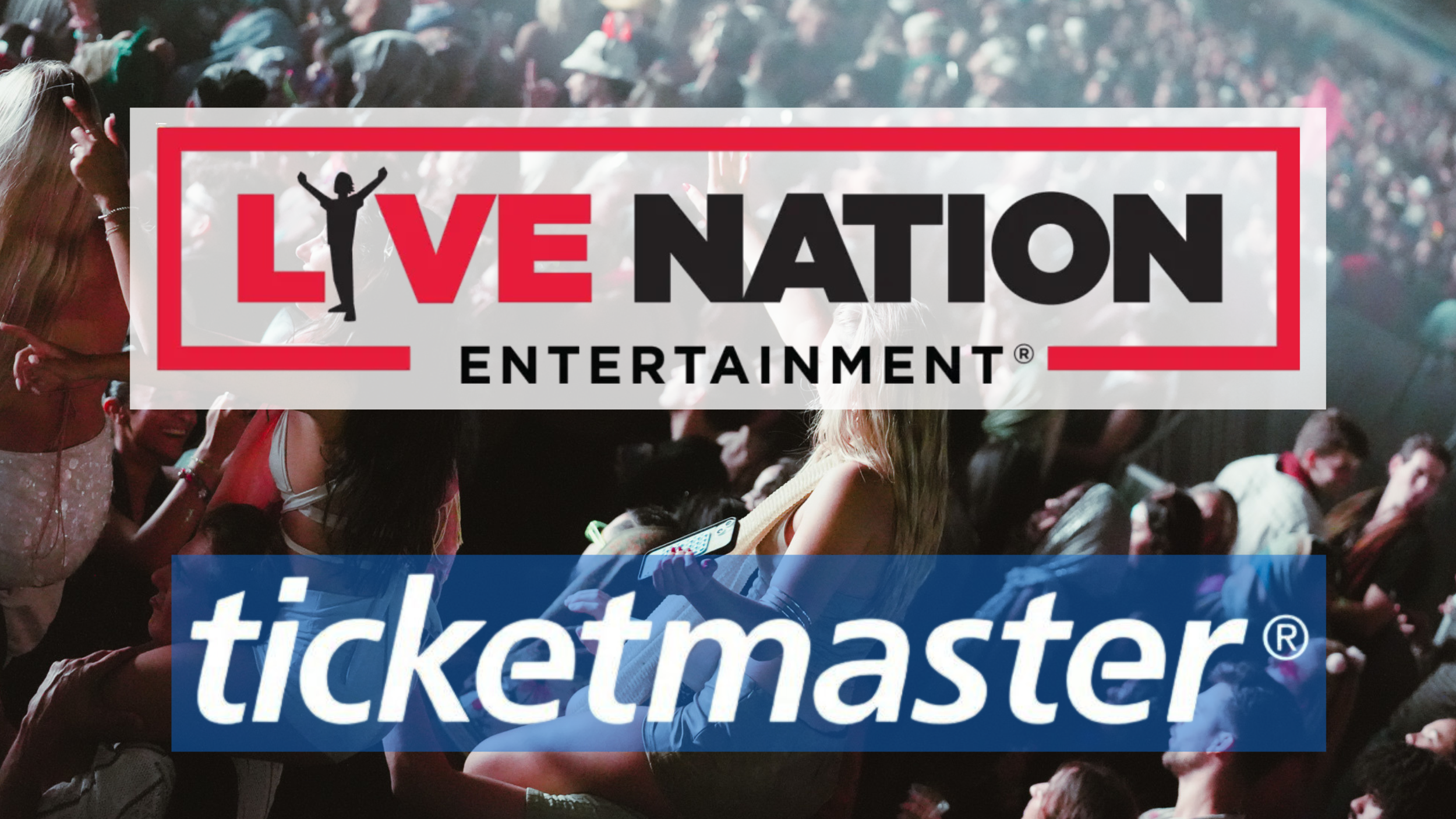
Photo credit to @Mily_Media Emily Ward 2026
Editor’s Update (March 2026):
Shortly after the trial began in Manhattan federal court, Live Nation reached a settlement with the U.S. Department of Justice and participating states in the antitrust case. According to reporting from Politico, the agreement requires the company to pay roughly $200 million in damages and make structural changes to its ticketing business. Under the deal, Ticketmaster will open parts of its platform to competing ticketing services such as SeatGeek and Eventbrite, allowing them to list tickets directly through Ticketmaster’s infrastructure. The settlement also limits the length of Ticketmaster’s exclusive venue contracts to four years, requires Live Nation to divest more than ten amphitheaters, and caps certain service fees at 15 percent of a ticket’s price. While the trial ended before a full court ruling, the agreement represents one of the most significant regulatory interventions in the live music industry in decades.
The Lawsuit Against Live Nation
“Today, the concert ticket industry is broken… It is controlled by a monopolist. It is controlled by Live Nation.”
A blunt truth coming from U.S. attorney David Dahlquist during the DOJ’s case against Live Nation Entertainment. For decades, the live music industry has been built on a simple promise: artists perform, venues host, and fans show up. But behind the stage lights and sold-out tours, the infrastructure that makes concerts possible has become increasingly concentrated in the hands of one company. At the center of that system is Live Nation Entertainment, the global concert promotion giant that merged with ticketing platform Ticketmaster in 2010. Now, more than a decade later, that merger sits at the heart of one of the most significant antitrust cases the music industry has faced in generations.
In recent years, there have been multiple claims throughout the music industry that Live Nation, and by extension Ticketmaster, has become a monopoly. Recently, this has led to a lawsuit between the DOJ (along with 40 other states, including the District of Columbia) and Live Nation. While the lawsuit was officially filed on May 23, 2024, the trial itself didn’t begin until March 3, 2026, in a Manhattan federal court.
The DOJ alleges that Live Nation, through Ticketmaster, currently holds an illegal monopoly in ticket sales, allows ticket resellers to unreasonably mark up ticket prices, enables ticket resellers through a platform called “TradeDesk,” is refusing to implement technology that more effectively limits resellers’ ability to buy multiple tickets, and that the company misleads users with ticket pricing by stacking on hidden fees and other additional expenses onto the price of the ticket after the initial list price.
Currently, there are discussions going on in court regarding Ticketmaster’s utilization of vertical integration, with venues requiring them to invest in 5–7 year long exclusive ticketing contracts with Ticketmaster, where they are barred from selling on other platforms directly in exchange for being able to sell tickets on Ticketmaster. This specifically bodes ill for Ticketmaster, as they are the largest ticketing platform, and locking venues into agreements with the leverage of them being the largest platform makes it difficult for other companies to compete with them. Furthermore, this vertical integration also affects artists, as they may only access these venues if they agree to only sell their tickets through Ticketmaster itself rather than other more consumer-friendly platforms such as AXS or SeatGeek.
Live Nation, however, has continued to argue in court that there is substantial competition in the ticketing industry despite their 80% market share, as alleged by the FTC. This argument has been their defense backbone in court thus far; however, the case is still in its early stages, so they may fall upon other primary defense arguments in the future. Furthermore, they have argued in court that the reason for their exclusivity with high-profile tours (i.e., the Eras Tour) was allegedly due to other platforms’ inability to handle high-volume tours.
If the DOJ is successful with its lawsuit, it will force the “structural separation” of Ticketmaster, which will most likely lead Live Nation to be required to divest from the company and have it act independently from its current ownership.

Photo credit to @littlesunnycamera Maria Bulkina 2026
How the Ticketmaster Merger Created the Modern System
So lies the question: how did we get here? In 2010, Live Nation and Ticketmaster undertook the largest merger the live music industry had seen up until that point. As a result, the largest concert promotion company and the largest ticketing platform became one. This was anticipated to lead to a monopoly by the FTC itself, which had approved the merger only if certain regulatory conditions were met.
These included Ticketmaster being forced to sell its subsidiary Paciolan, which handled college sports ticketing and independent venues; it was sold to Comcast. They were also forced to license their proprietary ticketing software to their primary competitor, AEG, which now owns their competitor, AXS. Third and finally, they barred Ticketmaster and Live Nation from retaliating against any venues that wished to use a rival ticket platform to sell their tickets.
These commitments were originally set to expire in 2020; however, the FTC found that Live Nation had repeatedly violated their retaliation condition, which extended these terms to 2025 and added a $1,000,000 fine for each additional violation.
Over the last decade, Live Nation has vastly expanded their portfolio of venues that participate in their platform due to them shifting from renting venues to outright owning them. This allows them to make money on each transaction within the venue, from merchandise sales to drinks and food, effectively monetizing nearly every part of the concert experience.
The company also came to realize that the best way to control the industry is to control the artists themselves through its “Artist Nation” division. This division is partnered with over four hundred major artists and is partnered with major labels such as Jay-Z’s Roc Nation. If Live Nation manages an artist, they can ensure that the artist will be playing at their venues while, by proxy, ensuring that the artist’s tickets can only be purchased through Ticketmaster.
Ticketmaster is quite notorious for their hidden junk fees that pervade almost every tour that is partnered with them or sells tickets through their platform. However, they also use a tactic called “surge pricing,” which leads to tickets costing more when they’re in high demand. This came to a head in 2022 when Taylor Swift began her presale for the Eras Tour. The surprise fees, combined with the surge pricing, led to exorbitant prices all around, compounded with Ticketmaster going down during a duration of the presale due to the traffic from ticket scalpers and fans alike. Most, if not all, of the tickets on sale for the tour would be acquired through resellers as a result of this debacle.
Back in the day when CDs were the primary way music was consumed, touring was largely a promotional tool for artists. They would often take a loss or not even bother selling out shows, as a majority of their revenue came from album sales. Translate that to today: thanks to streaming services such as Apple Music and Spotify, revenue is largely generated through streaming. For smaller artists, they may make as little as $0.003 per stream on some services, which leads to them having to fall onto touring and merchandise sales as their primary source of revenue.
With this in mind, the cost of seeing an artist on tour has ballooned, as labels, artists, and promoters alike must rely on increased revenue from tours to make a profit or, in some cases, break even. But with Live Nation as the largest promoter, it is undoubtedly in their interest to ensure that you keep using their platforms to purchase tickets for live shows and avoid buying artists’ physical media at almost any cost. Live Nation has illustrated in recent years that they believe, in order to retain their control over tour infrastructure, they must control artists’ income.
To understand why the DOJ believes Live Nation has too much power, it helps to look at how the company built that influence in the first place.
Who Controls the Concert Industry?
In many ways, the modern music industry is structured around Live Nation Entertainment through its promotion arm, its ownership or operation of hundreds of venues, and its connection to Ticketmaster as the dominant ticketing platform. The company sits at nearly every point of the live music pipeline. From the moment a tour is announced to the final ticket scan at the venue door, Live Nation’s infrastructure often touches multiple stages of the experience. That level of influence has made the company the central power broker in modern live entertainment, and it is exactly what federal regulators are now challenging in court. Outside the courtroom, the issue is bigger than one legal battle. It’s about how power is structured across the entire concert industry and how this affects artists, venue owners, and fans.
Who Controls the Ecosystem?
The case against Live Nation largely revolves around vertical integration, the idea that a single company controls multiple branches of the same industry.
On top of promoting the industry’s largest tours, it also owns and operates hundreds of venues across the country and relies on Ticketmaster as the main ticketing platform for many of those spaces. This means a percentage of every t-shirt, drink, VIP upgrade, or meal you buy isn’t going to your favorite artist or venue; it’s being skimmed off the top of the sale and pocketed by a multi-billion dollar company. The same applies to the tickets you buy and sell. Fans are directly being taxed for being a part of an experience.
According to the Federal Trade Commission, they paid out $0 in Federal Income Tax in 2025, so each and every penny pulled from every area the Live Nation web touches is funneling back into the people at the top. Supporters write the narrative that this integration of both companies creates efficiency and benefits all parties. Promoters can coordinate tours globally, venues receive financial guarantees, and major artists gain access to well-oiled infrastructure. Is that integration operational efficiency or market dominance?
The DOJ’s Argument
Federal regulators see the same structure very differently. The DOJ and 38 other states agree with Washington, D.C.’s claim that “the entertainment conglomerate dominated live event markets in ways that hurt artists, venues, and fans.” Live Nation’s vertical control allows it to box out competitors at multiple points in the market. If one company controls promotion, venue access, and ticketing infrastructure, new entrants have difficulty competing in any single segment.
The government also claims venues may fear retaliation if they move away from Ticketmaster or refuse Live Nation tours. According to regulators, that fear can discourage independent venues from partnering with competing ticket platforms. Booking less in-demand tours and rebelling against the ‘top dog’ of the industry, as much as it is ‘punk’ in morality, it can cause major repercussions for local music scenes.
The View From Independent Venues
In a 2024 interview with More Perfect Union, Tom DeGeorge, owner and operator of Crowbar, a local music venue in Tampa, described the imbalance simply: “Live Nation is really controlling the entire ecosystem… everything from the point-of-sale system to the staffing at the bar.” For small venues, that control is absolutely suffocating.
The economics have only gotten harder. When the Live Nation/Ticketmaster machine decides to reach its hands into the local scene, it leaves behind financial hardship without wide enough operating margins to make up for it. According to Tom, his venue once ran margins of roughly 25–30 percent before 2019. Today, those margins sit closer to three percent.

Fans Crowdsurfing at Crowbar in Tampa, Florida
Photo credit to @Lsquaredpics Leo Lobo 2026
Small promoters and venue owners often worry that large touring acts will increasingly become exclusive to Live Nation’s own network of venues and partnerships. As Tom put it, “The big dogs are literally just going to swallow me.”
The concern isn’t just about competition; it’s about access to the touring pipeline itself. Small venues live to spotlight emerging artists, but passion alone doesn’t keep the lights on. The occasional high-demand act that can sell out a room is what draws attention to the venue and helps support the local scene, keeping the whole ecosystem alive.
Artists big and small have also tried to do their part for the fans with ticket sales through Ticketmaster. Billie Eilish, Tame Impala, and Hayley Williams have all utilized Ticketmaster’s “new” face value exchange feature in their latest tours. The face value exchange feature allows fans who bought tickets at the standard admission price to only list them for resale at the exact price they bought them for, in an attempt to eliminate scalping and allow real fans to enjoy the show.
However, dynamic pricing and third-party selling platforms are still getting away with profiting on these tickets. While the artists are trying, this begs the question: if Ticketmaster has always had this feature, why isn’t a face value exchange the standard? Their actions show that their priority isn’t the fan experience but their exploitation.

Photo credit to Stefanut Sava
Inside the System
While venue owners and regulators have raised concerns about Live Nation’s influence across the live music industry, perspectives from inside the company reveal a more complex picture.
A former Live Nation marketing employee who worked at the company for several years and requested anonymity to speak candidly described a system shaped by multiple stakeholders rather than a single decision-maker.
“Ticket pricing is influenced by multiple parties and is typically agreed upon in advance through contracts involving the promoter and the artist’s team,” the former employee said. “It’s not something decided by only one side.”
According to the source, service fees are typically set by the promoter or Live Nation, while Ticketmaster receives a defined portion of each ticket sale. The resale market, however, is a different challenge.
“In my view, the system is shaped not just by the ticketing platform, but also by the lack of consistent regulation around ticket resale,” they said. “There are large reseller and scalper networks involved, and I don’t think Live Nation or Ticketmaster can be solely blamed for the resale market.”
The former employee also noted that public criticism surrounding ticket prices often overlooks the role artists and promoters play in pricing decisions.
“Dynamic pricing is generally something agreed upon between promoters and artist teams, with Ticketmaster functioning as the platform that executes those decisions,” they explained. “It’s built into the overall deal structure rather than being driven by the platform alone.”
When the Justice Department filed its antitrust lawsuit in 2024, the internal response within the company was cautious.
“Employees were encouraged to stay quiet and avoid speculation,” the source said. “There was a sense internally that the public conversation often oversimplified a very complicated system.”
The former employee believes the biggest long-term challenge for the industry may not be promoters or ticketing companies at all, but the unregulated resale market.
“The system is under real strain,” they said. “Without stronger regulation around resale practices, the biggest beneficiaries are often the resellers, not the fans, artists, or venues.”
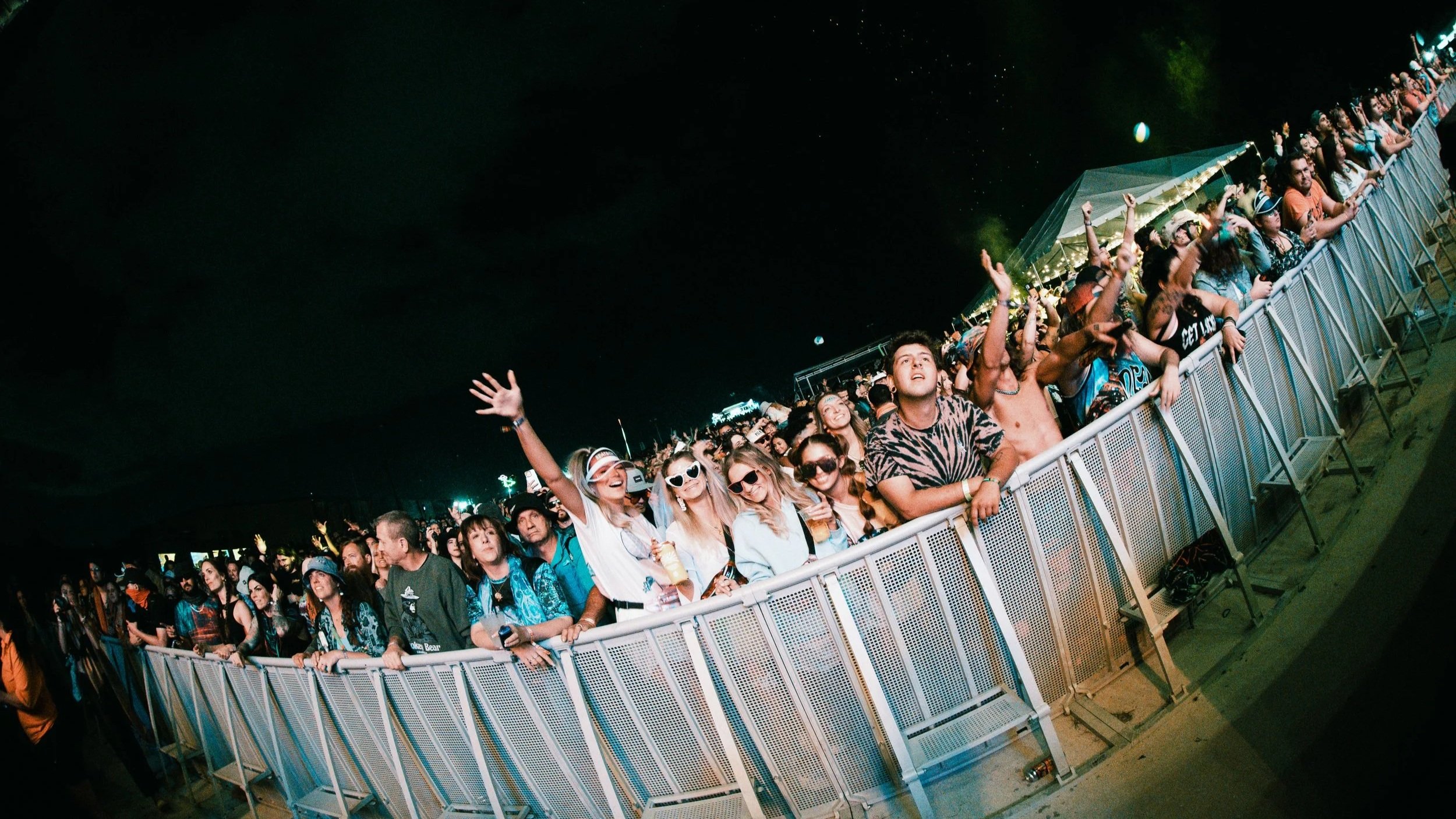
Photo credit to @Mily_Media Emily Ward 2026
How the Ticketing System Affects Artists and Fans
Vertical integration doesn’t affect every group equally.
Major touring acts can benefit from Live Nation’s scale. The company offers global promotion, established touring infrastructure, and financial guarantees that take out the personal risk for artists playing large venues. Investors also benefit from revenue at multiple stages: promotion, venue operations, ticket sales, and resale fees.
For fans, the experience often looks different. The Ticketmaster checkout has become infamous for all the extra tacked-on fees: service fees, convenience fees, and processing fees that can dramatically inflate the final price of a ticket. A $50 GA ticket suddenly turns into an $80 charge.
Because the venue or promoter may be tied to Ticketmaster, fans often have few alternatives when purchasing tickets, ultimately forcing the hand to either pay the ‘Ticketmaster tax’ or risk buying from a reseller — often from someone (most likely a bot) who originally purchased the ticket through Ticketmaster, fueling a cycle where leverage continues to flow upward.
As this article was being finalized, Live Nation reached a settlement with the Department of Justice that includes structural changes to its ticketing platform and venue contracts. The outcome reflects many of the concerns regulators raised during the case.
What Happens If Live Nation Loses?
If federal regulators succeed in their antitrust case, several outcomes are possible.
The most dramatic option would be a structural breakup separating Ticketmaster from Live Nation entirely. This would split ticketing from promotion and venue ownership, potentially opening the market to more competition. Possibly new platforms with new rules. It could also open the risk for third-party reselling platforms to join the venue ownership bidding. We’ve already begun to see this with SeatGeek in 2025.
Other solutions are less drastic but still show light at the end of the tunnel. Regulators could force behavioral restrictions, limiting the exclusivity agreements between venues and ticketing platforms or restricting certain fee practices. The Supreme Court could also require partial divestments, forcing the company to sell specific assets and branches or restructure parts of its business. This could break down the Live Nation/Ticketmaster machine from the inside.
Even if regulators win, the process could take years. Appeals and enforcement delays often drag out antitrust cases well beyond the intended timeline.
If a breakup did occur, independent ticketing platforms might finally gain traction, venues could regain negotiating leverage, and artists might have more flexibility in where the tour travels and how they are ticketed.
What If They Win?
Unfortunately, a win for Live Nation would cement the legitimacy of vertically integrated entertainment companies and make future antitrust challenges an even bigger mountain to climb. Competitors would face even tougher obstacles when trying to break into the market.
This case against Live Nation isn’t just about the Ticketmaster merger. It’s about how the infrastructure of live music is organized and will operate going forward.
Vertical integration has created a system that runs smoothly for major promoters, global tours, and corporate shareholders. For smaller venues, independent promoters, and many fans, it has become increasingly difficult to tolerate.
In a time where the average person in America struggles to afford rent, insurance, and healthcare due to broken and corrupt systems, we shouldn’t have to sacrifice entertainment that inspires and encourages community.

Photo credit to @littlesunnycamera Maria Bulkina 2026 and @Mily_Media Emily Ward 2026
Why Fans Still Matter
An industry built on fans needs the fans to use their voice. Contact lawmakers and regulators. Participating in the conversation around ticketing reform helps drive it.
The U.S. Department of Justice and members of Congress regularly receive public comments during antitrust investigations and hearings related to ticketing practices. The reason there was an investigation prior to the trial is because of fans being vocal about the frustrations around the current ticket-buying culture.
Coming up with creative solutions to reverse the power to the people is the only way we’ll see real change, and it needs to come in numbers.
Live music has always been about more than just a ticket purchase. It’s about community, shared moments, and the feeling of being part of something bigger than yourself. But as the systems behind concerts grow more complex and more corporate, fans are increasingly questioning who those experiences are really built for. The DOJ’s case against Live Nation, and the settlement that followed, may not solve every problem in the live music ecosystem, but it has forced the industry into a conversation that can no longer be ignored. For artists, venues, promoters, and the fans who make the entire system possible, the future of live music may ultimately depend on how that conversation continues.
What’s this new series???
The Green Room: Industry Unplugged Series pulls back the curtain on the music business. From ticket prices and festival lineups to promoter power and industry practices, Hard Launch Press investigates the systems shaping live music and the fan experience. We’re bringing up conversations corporate music publications don’t want to have and raising awareness because fans deserve better. No PR fluff. No payoffs. This is music with teeth. This is Hard Launch Press. A bold, honest kind of music coverage.